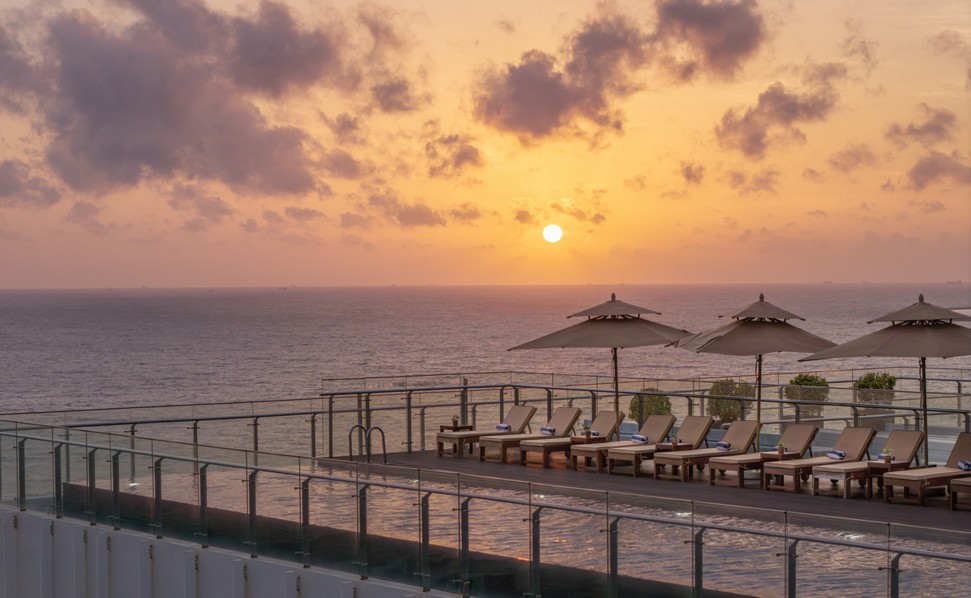
To truly understand Colombo, one must experience the precise moment when the Indian Ocean meets the evening sky. Standing upon the breezy avenues of Galle Road—just steps from the front steps of Sofia Colombo City Hotel—the city unfurls as a captivating contradiction: centuries of Dutch, Portuguese, and British colonial maritime heritage living in seamless dialogue with high-altitude glass towers, tree-lined boulevards, and tropical gardens.
Long regarded by travelers as merely an entry point to the island's southern beaches or central tea highlands, Colombo has quietly orchestrated a sophisticated renaissance. Today, it is a bustling, cultured cosmopolitan haven where world-class mixology, architectural pilgrimages, and fiery coastal street delicacies exist side-by-side.
I. The Oceanfront Promenade & The Galle Face Ritual
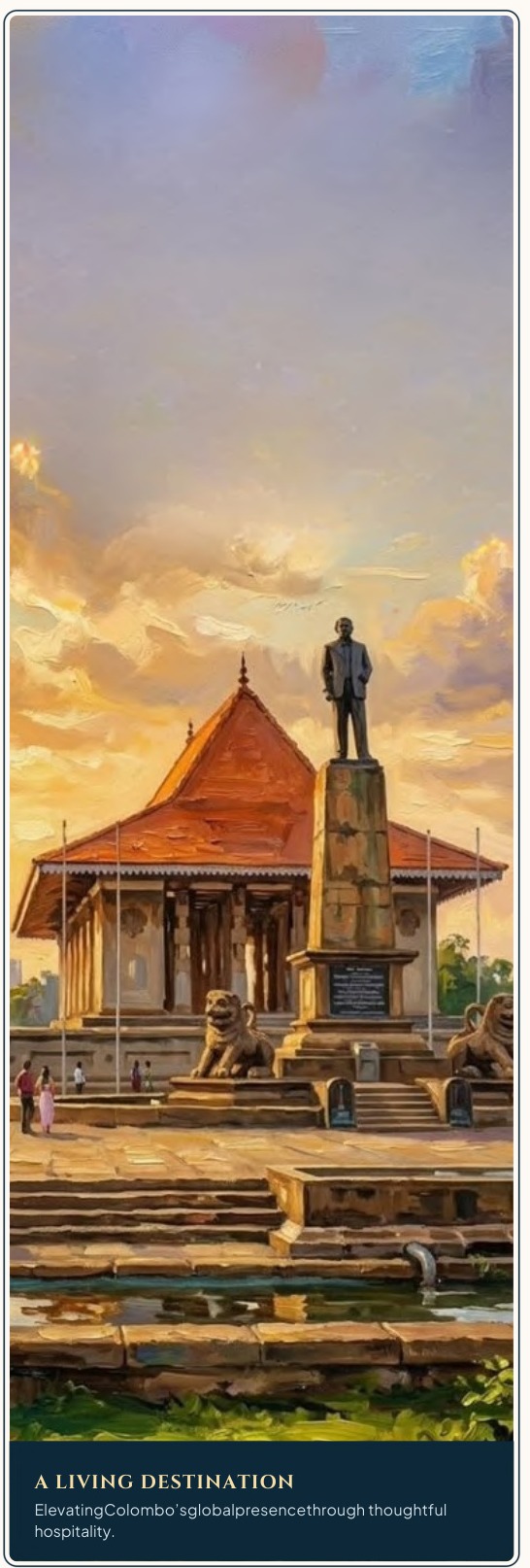
No journey through Colombo begins anywhere other than the legendary Galle Face Green. First laid out in 1859 by the British Governor Sir Henry Ward for horse racing and promenade strolls, this sprawling oceanfront ribbon remains the spiritual heart of the city's collective leisure.
Come five in the afternoon, the sea breeze stiffens and the sky transforms into a theatrical wash of apricot, rose, and burnished gold. Multi-generational families, joggers, and international travelers gather on the sea wall. Children launch colorful kites into the coastal updraft while the irresistible aromas of street vendors waft through the air: crispy isso vadai (lentil cakes studded with fiery spiced prawns), warm cassava chips seasoned with chili and salt, and sizzling kottu roti prepared with rhythmic culinary theater.

II. A Living Tapestry of Heritage: Fort & The Old Dutch Hospital
A short drive north along the coastline brings you into Colombo Fort, the island’s historic financial hub where colonial grandeur still commands the skyline. Here stands the Old Dutch Hospital, dating back to 1681. Once built to care for officers and seafarers of the Dutch East India Company (VOC), its thick masonry walls, terracotta tiled roofs, and twin open courtyards have been revitalized into Colombo's most enchanting dining and boutique precinct.
Just beyond Fort lies Pettah—an electric, sensory labyrinth unlike anywhere else in South Asia. Each street is historically dedicated to a singular craft: Gabo's Lane for aromatic Ayurvedic spices, Sea Street for glistening hand-crafted 22-karat Ceylon gold, and Main Street for woven textiles. Emerging above the bustling market roofs is the confectionery-striped red and white brick facade of the Jami Ul-Alfar Mosque (The Red Mosque), constructed in 1909 and still guiding sailors into Colombo Harbor.
“Colombo is not simply a transit hub; it is an intoxicating tapestry of ocean breeze, monsoon architecture, and warm hospitality that lingers in the soul long after departure.”
III. The Poetry of Tropical Modernism: In Geoffrey Bawa’s Footsteps
To walk through Colombo is to walk through the architectural imagination of Geoffrey Bawa, the legendary father of Tropical Modernism. Bawa pioneered an architectural philosophy where walls dissolve, monsoon breezes circulate unimpeded, and lush inner courtyards invite the jungle into the room.
A pilgrimage for design enthusiasts begins at Seema Malaka, an ethereal Buddhist chapter house designed by Bawa in the 1970s that floats gently on the placid waters of Beira Lake. Connected by wooden pontoon walkways and adorned with seated bronze Buddhas, it offers an astonishing pocket of contemplative silence amidst the surrounding city rush.
Continue into Cinnamon Gardens (Colombo 07) to visit Number 11, Bagatelle Road, Bawa's personal residence composed of four interconnected row houses filled with skylit courtyards, reflecting pools, and curated art. In the nearby Viharamahadevi Park, century-old rain trees shade the wide walkways leading to the open-air art stalls of Green Path, where local Sri Lankan painters display vibrant canvases beneath tropical canopies.

IV. The Gastronomic Awakening: From Lagoon Crab to Rooftop Mixology
Sri Lankan culinary culture is celebrated for its assertive spices, velvety coconut milk bases, and unmatched ocean bounty. In Colombo, dining is a deeply sensory voyage. A morning began with bowl-shaped crispy hoppers (appa) with soft steamed egg centers, accompanied by fiery lunu miris (crushed red chili and shallots) and creamy coconut milk curry.
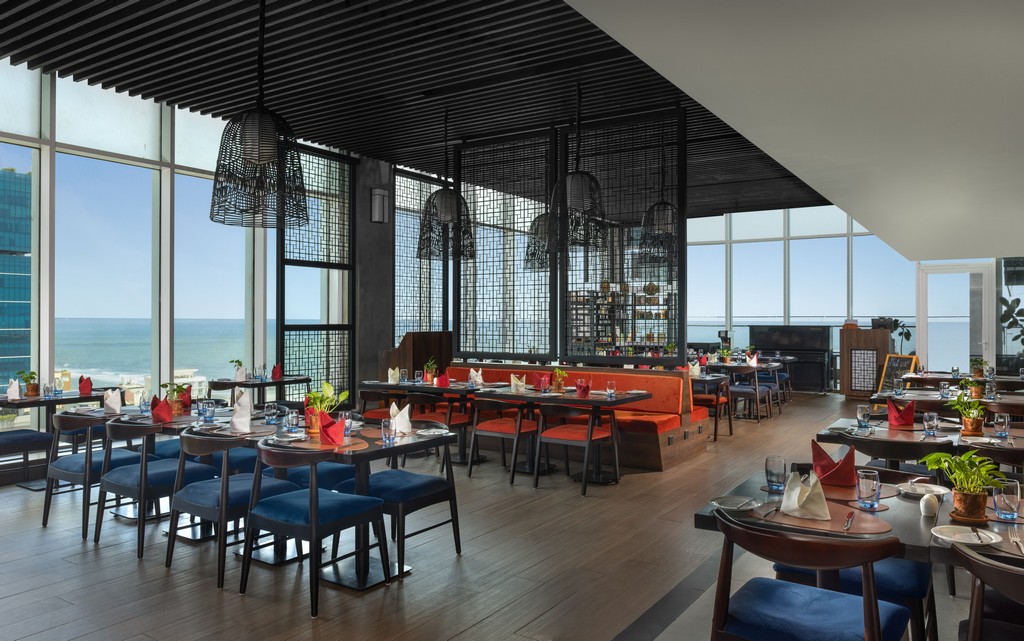
By lunchtime, food connoisseurs seek out Sri Lanka's world-famous lagoon crabs, stewed in black pepper garlic sauce or traditional roasted curry spices. As twilight settles over the capital, the focus shifts upward. At Sofia Colombo’s 12th-story Skyscape rooftop lounge, mixologists infuse premium spirits with indigenous botanicals: Ceylon cinnamon, passion fruit, fresh kaffir lime, and artisanal single-estate pekoe tea. Watching the crimson sun extinguish into the horizon while sipping a crafted sundowner is one of Colombo's quintessential modern luxuries.
V. The Bleisure Frontier: The New Era of Urban Hospitality
For decades, global travelers had to choose between utilitarian business lodging and isolated coastal resorts. Today, Colombo has emerged as the definitive “bleisure” capital of South Asia. Modern professionals, digital entrepreneurs, and discerning vacationers now demand spaces that effortlessly bridge productivity and sensory wellness.
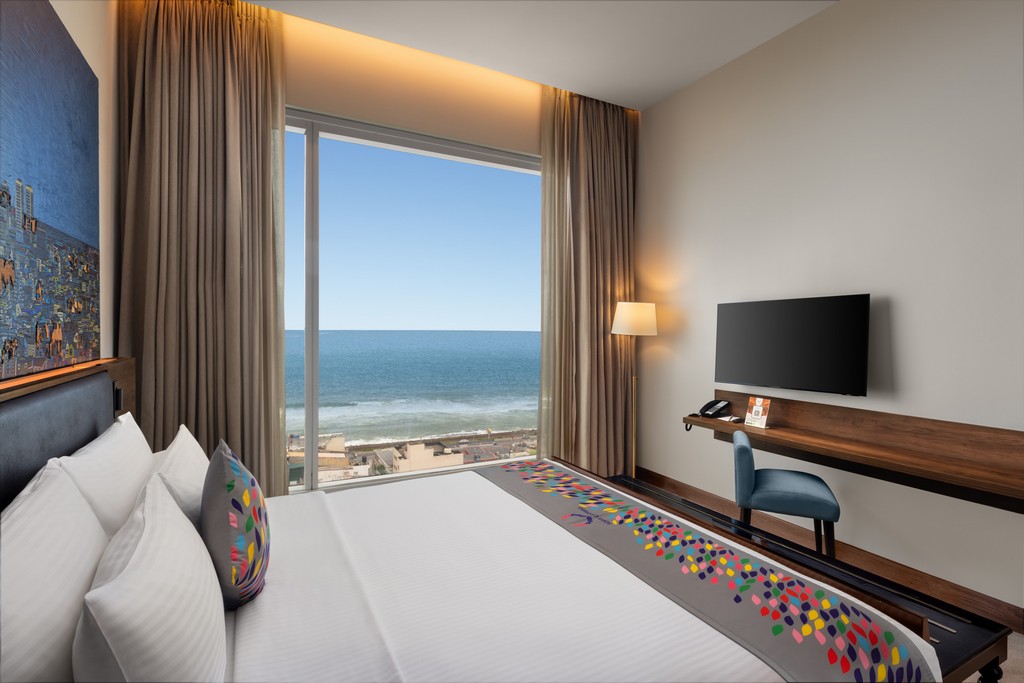
At Sofia Colombo City Hotel, this philosophy is woven into every detail: high-speed gigabit connectivity, ergonomic work suites, intelligent VRV air purification, and sustainable LEED Silver construction—all paired with panoramic ocean-view balconies, restorative spa therapies, and a rooftop infinity pool suspended above the ocean swell.
- The Golden Hour Stroll: Schedule your Galle Face Green walk between 5:15 PM and 6:15 PM for optimal sea breeze and sunset photo lighting.
- Urban Navigation: While metered tuk-tuks (with active electronic meters) offer charming local flavor, Sofia's concierge can arrange private chauffeured AC sedans for stress-free heritage tours.
- Temple Dress Code: When visiting Gangaramaya or Seema Malaka, ensure shoulders and knees are modestly covered, and slip-on footwear is recommended for easy removal.
- Artisanal Ceylon Tea: Visit boutique tea salons in Colombo 03 to taste single-estate high-grown Silver Tips and Nuwara Eliya seasonal flushes paired with dark chocolate.